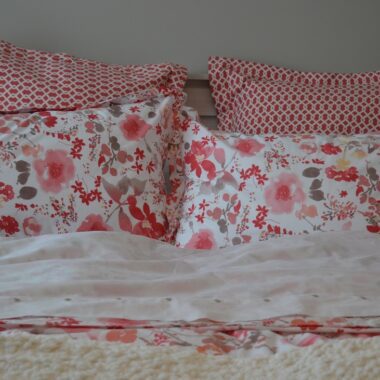
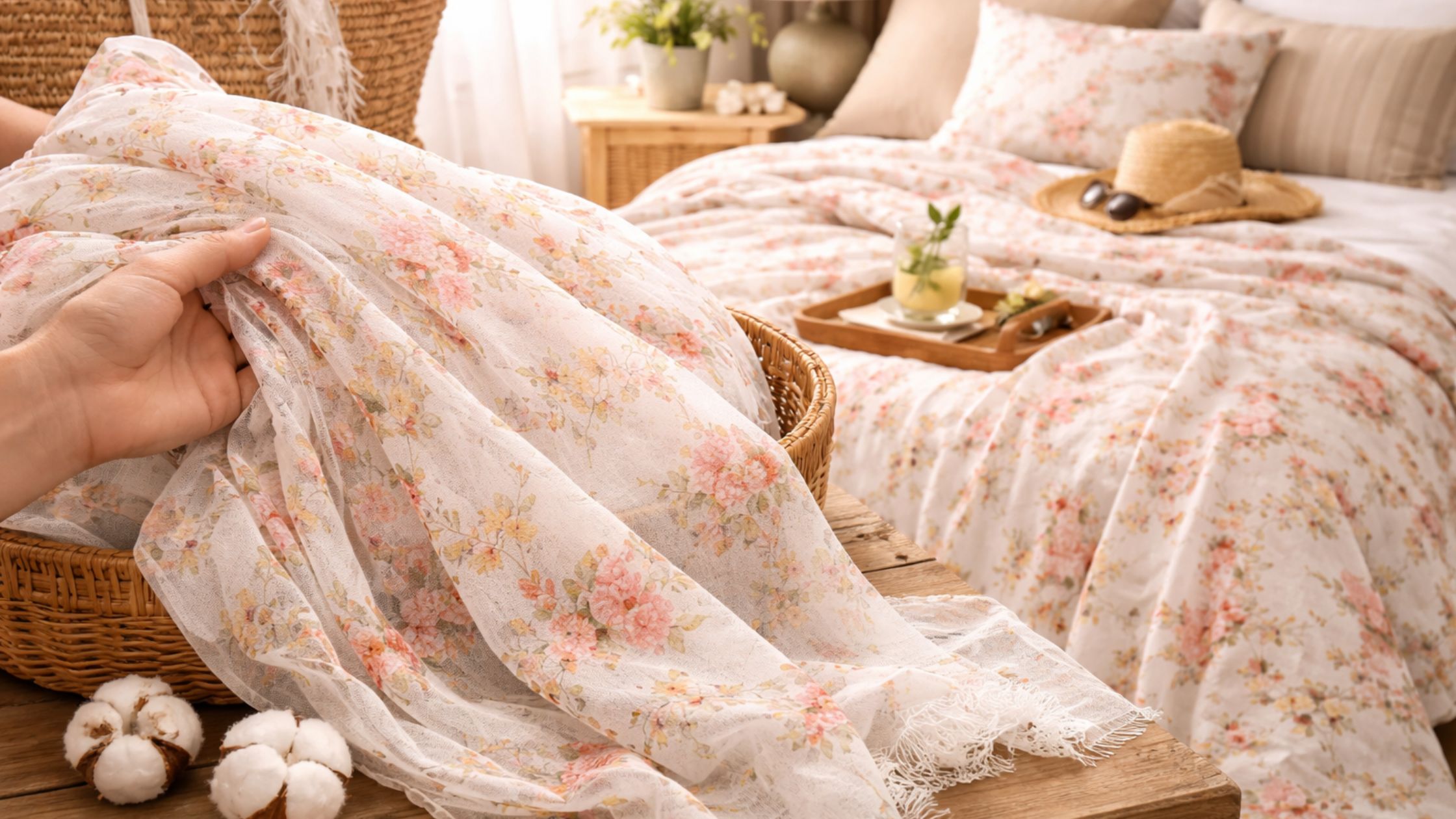
Mulmul. The word is beautifully onomatopoeic soft, light, slightly whimsical. And the fabric lives up to the sound of its name entirely. Mulmul (also written mulmul or malmal) is a fine, open-weave muslin cotton that has been woven in South Asia for thousands of years. It is the fabric of Indian summers, of heirloom dohar blankets passed between generations, and increasingly, of the global home textile buyer who wants something genuinely different from the mass-produced linen they find locally.
This guide explains what mulmul cotton is, why it is technically superior for warm-climate bedding, how it differs from regular cotton, and why buyers in Australia, the UK, and the USA are increasingly seeking it out.
What is mulmul cotton? The technical definition
Mulmul is a plain-weave muslin cotton characterised by its extreme fineness and low weight. It is woven from long-staple cotton yarns spun to a very fine count typically 60s to 100s count (the higher the number, the finer the yarn). The weave is simple: over-under-over-under, the most basic textile structure. But because the yarn is so fine and the weave so open, the resulting fabric has properties that no synthetic can replicate.
The name mulmul is used primarily in India, Pakistan, and Bangladesh. Internationally, the same fabric is called muslin the term most Western buyers recognise. The muslin used for swaddling newborns, for chef’s cloths, for historical luxury garments this is the same fabric tradition as Indian mulmul, though the specific weave density and finish varies.
| Mulmul = Malmal = Muslin. These are different names for the same category of fine, open-weave cotton fabric. ‘Mulmul’ and ‘malmal’ are the Indian subcontinent names; ‘muslin’ is the international term. All refer to the same fundamental fabric. |
The physical properties that make mulmul exceptional
| Property | Mulmul cotton | Standard cotton (200 TC) | Polyester/synthetic |
| Weight | 50–80 gsm extremely light | 100–140 gsm moderate | 120–160 gsm heavier |
| Breathability | Exceptional most breathable cotton | Very good | Poor traps heat |
| Softness (new) | Moderate softer after washing | Good | Variable |
| Softness (washed) | Exceptional improves dramatically | Good | Decreases over time |
| Moisture absorption | Excellent wicks and releases quickly | Very good | Poor |
| Thread count (typical) | 80–150 TC (open weave) | 200–300 TC | N/A |
| Durability | Good improves with washing | Very good | Moderate |
| Best climate use | Hot, humid conditions | Year-round all Indian climates | Cold only |
Why mulmul gets softer with every wash
This is the property that creates the most loyal customers. New mulmul feels slightly crisp the natural starch in the cotton fibre gives it a slightly structured feel. After the first wash, this starch is removed and the fibres begin to relax. After 3–4 washes, mulmul reaches a texture described consistently as ‘cloud-like’ impossibly soft, slightly gauzy, with a drape that no new fabric can achieve.
This improvement with washing continues throughout the life of a mulmul product. A 5-year-old mulmul dohar that has been washed hundreds of times is typically softer than it was when new. This is the opposite of synthetic fabrics, which degrade with each wash.
How mulmul is used in Indian home bedding
In Indian homes, mulmul’s primary bedding application is the dohar a traditional reversible two-layer blanket. A dohar is made by joining two layers of mulmul fabric together (sometimes with a thin cotton filling between them) and quilting them together with running stitches. The result is a blanket that is warm enough for mild winters and AC rooms but light enough for summer nights India’s most versatile year-round bedding layer. Browse Indian Fabrico’s malmal single dohars and malmal double dohars for the full range.
Beyond dohars, mulmul is used for summer bedsheets in the hottest months particularly in coastal and humid regions where even 200 TC cotton can feel warm. In North Indian households, the sequence is: mulmul dohar for summer → regular cotton bedsheet for monsoon and mild months → Jaipuri razai or heavier cotton for winter.
Why Western buyers are seeking out mulmul cotton
The international interest in mulmul has several drivers:
- The muslin baby products market: Western parents familiar with muslin swaddling blankets for newborns recognise the fabric’s properties. When they encounter mulmul bedding, the connection is immediate ‘I want to sleep under what I swaddle my baby with’.
- The linen alternative: Linen bedding has been popular in Western markets for years, valued for its breathability and texture. Mulmul offers similar breathability with greater softness, at a more accessible price point.
- The sustainability angle: Mulmul uses minimal dye, minimal processing, and is 100% natural cotton. For eco-conscious Western buyers, this aligns with values around natural materials and reduced synthetic content.
- The India connection: NRI buyers in Australia, the UK, and the USA grew up with mulmul dohars in Indian households. The nostalgia for that specific softness and lightness impossible to find locally drives significant international orders.
- The visual aesthetic: Mulmul dohars in Jaipur block print designs have a particular visual quality light, gauzy, textured that photographs beautifully and has found a strong following in home decor social media.
Mulmul vs standard cotton bedsheets: which should you choose?
The choice is about condition and use case rather than one being universally better. For everyday year-round bedsheets in most Indian conditions, 200 TC pure cotton is more practical it handles daily use better, requires less delicate washing, and works across all seasons. For peak summer bedding, coastal humid conditions, AC room blankets, or as a baby’s bedcover, mulmul is the superior choice. Many Indian households use both: cotton bedsheets year-round with a mulmul dohar added in summer and as an AC covering.
Care guide for mulmul cotton products
- Wash in cold or warm water (30–40°C) on a gentle machine cycle or by hand. Mulmul can handle machine washing but benefits from gentle treatment.
- Use mild liquid detergent. Never bleach it breaks down the fine cotton fibres.
- Air dry in sunlight to dry quickly, but not for extended hours as direct UV fades any dyed cotton.
- Do not tumble dry heat stresses the fine fibres and can cause excessive shrinkage.
- Expect some initial shrinkage (2–5%) after first wash this is normal for fine natural cotton. Buy slightly larger if this concerns you.
- Do not iron if possible the beauty of mulmul is its soft, slightly wrinkled drape. If you must iron, use a low cotton setting with steam.
For summer bedding context and how mulmul fits into the year-round Indian bedding cycle, see our guide to choosing the right thread count for Indian summers and the comparison between Jaipuri razai and synthetic quilts for winter.
Frequently Asked Questions (FAQs)
Mulmul (also written malmal, or called muslin internationally) is a plain-weave fine cotton fabric made from long-staple cotton yarn spun to a very fine count. It is extremely lightweight (50–80 gsm), highly breathable, and becomes dramatically softer with each wash. It is India’s traditional fabric for summer bedding, dohars (reversible blankets), and baby products. The same fabric category is called muslin in Western markets.
Mulmul is finer, lighter, and more open-weave than regular cotton bedsheet fabric. Regular 200 TC cotton bedsheets weigh 100–140 gsm; mulmul fabric typically weighs 50–80 gsm. Mulmul is more breathable, softer after washing, and better suited to hot and humid conditions. Regular cotton is more durable for daily use as a bedsheet and more practical year-round. Many Indian households use regular cotton bedsheets with a mulmul dohar as a summer covering layer.
New mulmul has a slightly crisp texture from natural cotton starches. When washed, these starches are removed and the fine cotton fibres relax, creating a dramatically softer texture. This softening process continues over 3–4 washes and ongoing use. A frequently washed mulmul dohar becomes progressively softer over years the opposite of synthetic fabrics which degrade with washing. This is why long-used mulmul products are so treasured.
Mulmul can be used as a bedsheet in peak summer conditions, particularly in coastal and very humid regions. However, for everyday year-round use, regular 200 TC pure cotton is more practical — it is more durable, handles daily washing better, and is suitable for all seasons. Mulmul is most commonly used as a dohar (reversible blanket/covering) rather than as the primary bedsheet underneath.
Yes, mulmul (muslin) cotton is excellent for babies and is widely recommended by paediatricians globally for swaddling blankets, cot sheets, and early bedding. It is breathable enough to prevent overheating, hypoallergenic, soft on sensitive skin, and becomes progressively softer with washing. Indian Fabrico’s mulmul dohars are 100% pure cotton and suitable for use as a baby’s cot covering.
Indian Fabrico sells authentic mulmul cotton dohars in single and double sizes, available for domestic delivery across India (free shipping) and international delivery to Australia, UK, USA, Canada, UAE, New Zealand, Germany, Singapore, and 10+ other countries. These are genuine Jaipur-made mulmul dohars, not synthetic alternatives.